
 Home
Home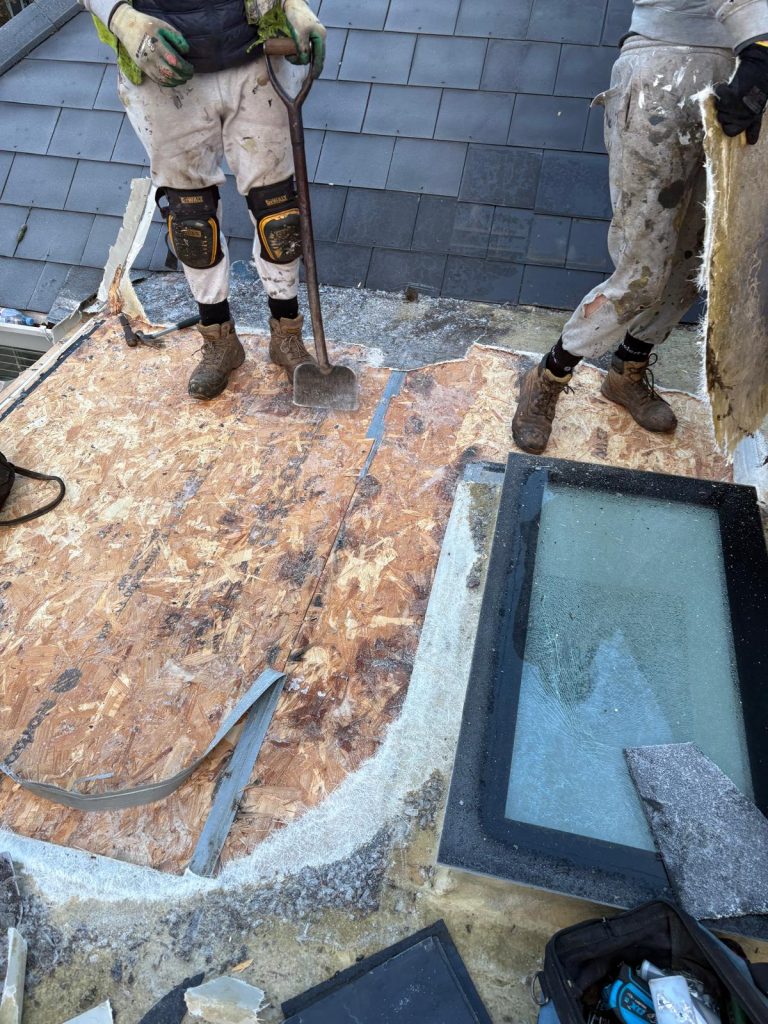
Professional Flat Roofing Specialists Kent
Finding reliable Flat Roofing Kent specialists matters when your property relies on a flat roof for weather protection. Flat roofs are common on extensions, garages and commercial buildings across Kent, but they require a different approach from pitched roofing. Because water does not drain away as quickly, flat roofs need correct design, installation and maintenance to perform well over time. Understanding how flat roofing works helps homeowners know when to act and what to expect.
Why flat roofing requires specialist knowledge
Flat roofing systems behave differently from tiled or slate roofs. Even small defects can allow water to sit on the surface and work its way into the structure. As Flat Roofing Kent specialists, we focus on correct installation, drainage and detailing to reduce long term risk. Poor workmanship is one of the main reasons flat roofs fail early, which is why experience matters.
Common uses of flat roofing in Kent
Flat roofs are widely used across Kent on rear extensions, garages, dormers and commercial premises. They are often chosen because they suit modern designs and allow practical use of space. However, their performance depends heavily on correct installation and regular checks. Understanding where flat roofs are used helps explain why Flat Roofing Kent services are in steady demand.
Common flat roof problems
Several issues appear regularly on flat roofs. Standing water is one of the most common problems, often caused by poor drainage or slight dips in the surface. Cracks and splits develop as materials age and lose flexibility. Blistering occurs when moisture becomes trapped beneath the surface. Lifted edges and failing joints also allow water to enter. These issues show why specialist Flat Roofing Kent knowledge is essential.
Standing water and drainage concerns
Flat roofs should be designed to guide water towards outlets. When drainage fails, water pools on the surface after rainfall. Over time, this weakens the roof covering and increases leak risk. Drainage problems often link to blocked outlets or damaged guttering. Addressing drainage early plays a key role in maintaining flat roof performance.
Cracks, splits and surface wear
As flat roof materials age, temperature changes cause expansion and contraction. This movement leads to cracking over time. Small cracks may not seem serious, but they allow water to enter beneath the surface. Once moisture spreads, damage escalates quickly. Cracking is one of the early warning signs that Flat Roofing Kent specialists look for during inspections.
Blistering and bubbling issues
Blistering appears as raised bubbles on the roof surface. This happens when moisture becomes trapped below the covering and expands with heat. Blisters weaken the roof and often lead to surface failure if ignored. While some blisters can be repaired early, widespread blistering often signals that the roof covering is nearing the end of its lifespan.
Edge and joint failures
The edges and joints of a flat roof are vulnerable to wind and weather. Over time, adhesives and fixings weaken. Wind then lifts edges, allowing rain underneath the covering. Once joints fail, water can spread across wide sections of the roof. Edge failure is one of the more serious flat roof problems because it often leads to rapid deterioration.
Flat roof repairs and when they work
Early stage flat roof problems often respond well to repairs. Localised cracks, small blisters or minor joint failures can usually be sealed to restore waterproofing. Prompt roof repairs help prevent water spreading beneath the surface. Repairs are most effective when the surrounding roof remains in good condition.
When flat roof replacement becomes necessary
There comes a point where repairs stop offering reliable protection. If leaks keep returning, blisters appear in new areas or water pools across large sections, the covering is likely failing overall. At this stage, replacement provides a more dependable solution. Installing a modern flat roof allows underlying issues to be addressed properly.
Modern flat roofing systems
Modern flat roofing materials offer improved durability compared to older felt systems. They provide better resistance to standing water and temperature changes when installed correctly. Replacement also allows insulation and roof structure to be inspected and improved. This approach resolves the root cause of ongoing Flat Roofing Kent issues rather than treating symptoms.
Insulation and condensation considerations
Insulation plays an important role in flat roof performance. Poor insulation allows warm air from inside the property to meet cold surfaces, which creates condensation. Over time, this moisture damages timbers and insulation. Many flat roof failures involve insulation issues that only become visible once leaks appear. Addressing insulation during replacement improves comfort and energy efficiency.
Flat roofs and foot traffic
Flat roofs are often walked on for maintenance or access. Repeated foot traffic damages the surface, especially if the roof was not designed for it. Compression, punctures and surface wear are common results. These factors contribute to flat roof deterioration and highlight the need for careful access planning.
Planning permission for flat roofing work
Most flat roof repairs and replacements fall under permitted development. However, changes to roof height or structure may require approval. Homeowners can check the Planning Portal roofing permission guidance to understand when permission may be needed. Checking early helps avoid delays.
Building regulations and flat roofs
Flat roof replacements must meet current standards for insulation and structural safety. We follow GOV.UK Building Regulations to ensure compliance. In some cases, inspections or approval through Local Authority Building Control (LABC) may be required. Compliance ensures long term safety and performance.
Health and safety during flat roofing work
Working on flat roofs involves working at height and handling materials safely. We follow guidance from the Health and Safety Executive (HSE) and apply best practice from HSE working at height guidance. Safe access and controlled working methods reduce risk during inspections, repairs and replacement.
Preventing flat roof problems
Regular inspections help prevent many flat roof issues. Clearing debris, checking outlets and monitoring the surface condition all reduce the risk of sudden failure. Preventive maintenance helps spread costs over time and avoids emergency repairs. This proactive approach supports long term flat roof performance.
Choosing flat roofing specialists in Kent
Choosing experienced Flat Roofing Kent specialists makes a real difference to outcomes. Flat roofing requires careful design, installation and follow up care. Local knowledge also helps when dealing with Kent weather conditions and property styles. Clear communication and honest assessments are key to reliable results.
Preparing for flat roofing work
Good preparation helps flat roofing projects run smoothly. Clearing access areas and understanding the expected timescale reduces disruption. We explain what to expect before work begins so homeowners feel informed throughout the process. Clear planning improves results and reduces stress.
When to arrange a flat roof inspection
If you notice standing water, surface damage or internal leaks, arranging an inspection early is the best step. Delaying action often allows damage to spread. Anyone looking for advice on Flat Roofing Kent services can contact us to arrange an assessment.
Conclusion
Flat roofs offer practical and flexible solutions for many Kent properties, but they require specialist care to perform well. Standing water, surface wear and drainage issues are common warning signs that action is needed. Early repairs often extend roof life, while widespread deterioration usually signals replacement. Acting at the right time protects your property and avoids unnecessary damage. At Portfolio Roofers we support homeowners across Kent with honest advice, dependable workmanship and flat roofing solutions designed to last.
