
 Home
Home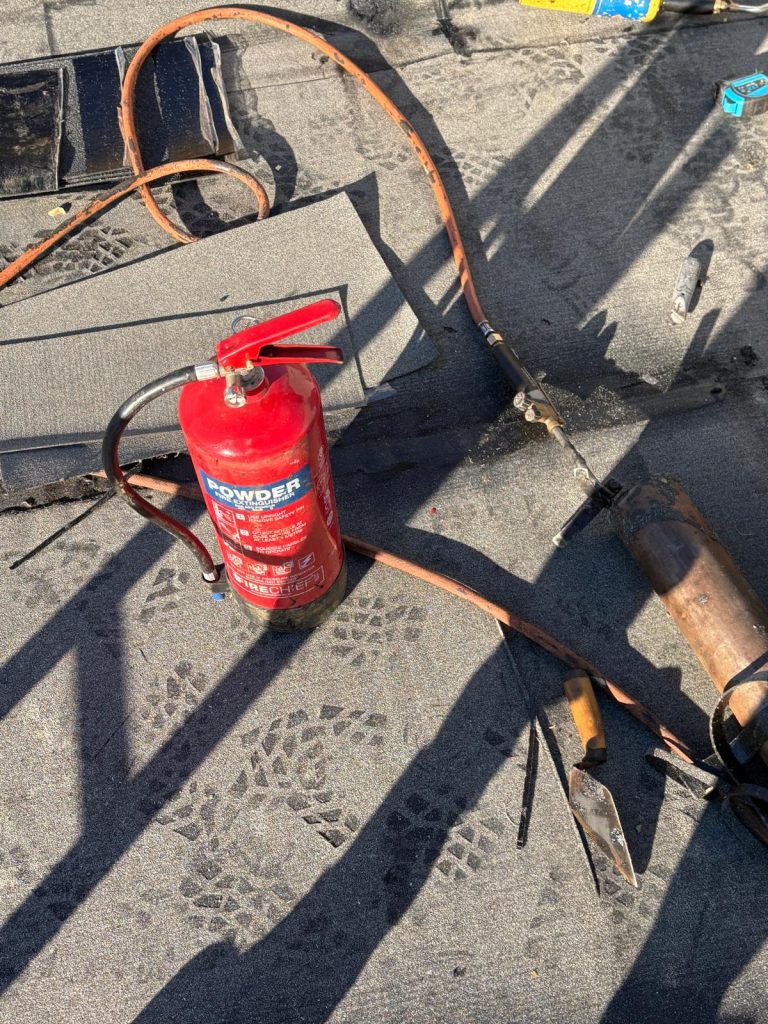
So, What Are the Most Common Signs of Roof Damage?
Spotting the Common Signs of Roof Damage early can prevent serious structural issues and expensive repairs. Roof problems rarely appear overnight. In most cases, damage develops slowly due to weather exposure, ageing materials or poor maintenance. By understanding what to look for, homeowners can act before minor faults turn into major concerns.
Why recognising roof damage early matters
Ignoring the Common Signs of Roof Damage often leads to water entering the property. Once moisture reaches insulation and timber, deterioration accelerates. Damp ceilings, mould growth and weakened structural components can follow. Acting early reduces the risk of internal damage and helps keep repair costs manageable.
Missing or slipped roof tiles
One of the most visible Common Signs of Roof Damage is missing or slipped tiles. Strong winds, ageing fixings and storm conditions often cause tiles to move. Even a single missing tile allows water to reach the underlay and roof structure beneath. Replacing damaged tiles promptly prevents further deterioration.
Cracked or broken tiles
Tiles weaken over time due to temperature changes and weather exposure. Cracks allow water to penetrate beneath the surface. When several cracked tiles appear across different areas, it may indicate overall wear rather than isolated damage. Cracked tiles are a clear warning that the roof needs attention.
Leaks inside the home
Water stains on ceilings or walls are strong indicators of roofing problems. Leaks often become visible during heavy rain. However, water may travel along beams before appearing indoors. Internal damp is one of the most serious Common Signs of Roof Damage because it suggests water has already breached the roof layers.
Damp or mould in the loft
The loft space often reveals hidden problems. Damp insulation, mould growth and stained timbers indicate long term moisture entry. These issues weaken structural components and reduce insulation performance. Loft moisture is a common indicator that roof damage has existed for some time.
Sagging roof lines
A sagging ridge line or uneven roof surface signals structural weakness. This may result from prolonged water damage or ageing timbers. Structural movement is one of the more severe Common Signs of Roof Damage and usually requires professional assessment without delay.
Loose ridge tiles
Ridge tiles secure the top of the roof and prevent water entry. Over time, mortar holding ridge tiles in place can crack and deteriorate. Loose ridges allow wind driven rain to enter and increase the risk of further tile movement. Ridge problems often appear alongside other signs of ageing.
Damaged flashing around chimneys
Flashing seals joints around chimneys and roof edges. When flashing lifts, splits or corrodes, water can enter quickly. Our chimney repair services often address damage linked to weakened flashing. Faulty flashing remains one of the recurring Common Signs of Roof Damage in older properties.
Moss and debris build up
Moss growth may seem harmless, but it traps moisture against tiles and blocks drainage. Over time, trapped moisture accelerates tile decay. Debris such as leaves also restricts water flow and increases pressure on roof edges. Moss and debris often contribute to long term roofing issues.
Blocked or damaged guttering
Drainage plays a major role in roof health. Blocked or damaged guttering causes water to overflow onto roof edges and walls. Persistent overflow leads to damp and rot. Drainage problems often worsen other Common Signs of Roof Damage.
Flat roof surface deterioration
Flat roofs display damage differently from pitched roofs. Cracks, blistering and pooling water indicate surface breakdown. Standing water places stress on the roof covering and speeds up wear. A failing flat roof may require targeted repair or replacement depending on the extent of deterioration.
Daylight visible through the roof
If you can see daylight through roof boards or tiles inside the loft, it suggests significant deterioration. Gaps that allow light through will also allow water and cold air inside. This is often one of the final Common Signs of Roof Damage before replacement becomes necessary.
Repeated repairs in different areas
Frequent repair work across multiple sections of the roof may indicate widespread ageing. While individual roof repairs can resolve local issues, repeated call outs often signal deeper wear. Ongoing repairs without long term improvement are a clear sign that the roof condition is declining.
Increased energy bills
An ageing roof may lose its ability to insulate effectively. Gaps in the covering and damp insulation reduce energy efficiency. If heating costs rise unexpectedly, it may be linked to roofing issues rather than insulation alone.
Storm damage exposure
Storms often highlight pre existing weaknesses. High winds lift tiles and loosen ridges. Heavy rainfall enters through small gaps that have developed over time. After severe weather, checking for the Common Signs of Roof Damage is important to prevent further issues.
Planning permission considerations
Most roof repairs fall under permitted development. However, larger replacement projects may require approval. Homeowners can consult the Planning Portal roofing permission guidance before starting structural alterations.
Building regulations and safety
When roof damage leads to replacement, work must meet current standards. We follow GOV.UK Building Regulations to ensure insulation and structure comply with regulations. In some cases, inspections through Local Authority Building Control (LABC) may be required.
Health and safety during inspections
Inspecting damaged roofs involves working at height and assessing unstable materials. We follow guidance from the Health and Safety Executive (HSE) and best practice from HSE working at height guidance. Safe inspections help identify problems without increasing risk.
When to arrange a professional assessment
If you notice several of these Common Signs of Roof Damage, arranging an inspection early is the best step. Delaying action often increases repair costs and disruption. Anyone seeking advice can contact us to arrange a professional assessment.
Conclusion
Recognising the Common Signs of Roof Damage helps protect your home and prevent costly structural issues. Missing tiles, leaks, sagging areas and drainage problems all signal that action is needed. Early repairs can extend roof lifespan, while widespread damage may require replacement. At Portfolio Roofers we support homeowners across Kent with clear advice, dependable workmanship and roofing solutions designed to last.
