
 Home
Home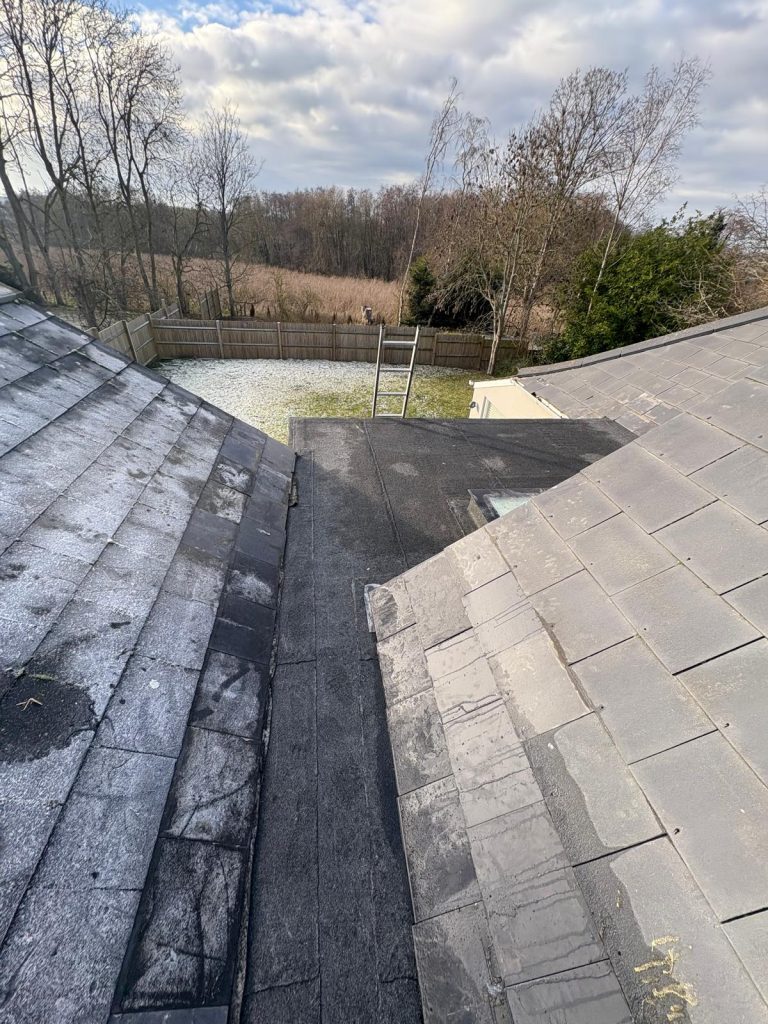
So, How Do You Know If Your Roof Needs Replacing?
Knowing when your Roof Needs Replacing can save you from serious structural damage and unexpected costs. Many roofing problems develop slowly, and it is not always obvious when repairs are no longer enough. While small faults can often be fixed, widespread wear or hidden structural damage usually means replacement is the safer option. Understanding the warning signs helps you act at the right time rather than waiting for a major failure.
Why recognising early signs matters
If your Roof Needs Replacing and the issue is ignored, water can enter the structure and affect insulation, timbers and ceilings. Damage often spreads quietly before becoming visible inside the home. Acting early allows you to plan replacement work properly instead of dealing with emergency repairs during bad weather.
Age of the roof
One of the first indicators that a Roof Needs Replacing is its age. Most roofing materials have a general lifespan. Concrete and clay tiles can last several decades, while flat roofs often wear faster. Even if tiles look intact, the underlay and fixings beneath may have weakened. If your roof is reaching the end of its expected lifespan and showing other signs of wear, replacement may be necessary.
Repeated leaks in different areas
Occasional leaks can often be resolved with targeted roof repairs. However, if leaks appear in multiple areas over time, it often signals a wider problem. When water finds new entry points regularly, it suggests that the roof covering and underlying materials are deteriorating. Frequent leaks are a strong sign your Roof Needs Replacing rather than further patch repairs.
Widespread cracked or missing tiles
A few damaged tiles are not unusual, especially after storms. However, when cracked, slipped or missing tiles appear across large sections, it indicates overall wear. Tile movement allows water to reach the underlay and timbers beneath. When damage becomes widespread, replacing the roof often provides better protection than ongoing repairs.
Sagging roof lines
A sagging ridge line or uneven roof surface is a serious warning sign. This usually indicates structural weakness beneath the roof covering. Long term water damage can weaken roof timbers and cause visible movement. Structural sagging strongly suggests the Roof Needs Replacing, as surface repairs alone will not resolve the issue.
Damp and mould in the loft
The loft space often reveals hidden roofing problems. Damp insulation, mould growth and stained timbers indicate long term moisture entry. If these signs appear in multiple areas, they usually reflect widespread roof failure. Once structural timbers are affected, replacing the roof allows proper repairs to be made to the framework beneath.
Daylight visible through the roof
If you can see daylight through the roof boards or between tiles inside the loft, this is a clear sign of deterioration. Gaps large enough to allow light through will also allow water and cold air inside. This is often one of the final indicators that a Roof Needs Replacing rather than further patching.
Flat roof surface breakdown
Flat roofs tend to show clearer signs when they reach the end of their lifespan. Large cracks, blistering, lifting edges and standing water across wide areas all indicate breakdown. While small issues can sometimes be repaired, widespread failure usually means installing a new flat roof is the most reliable solution.
Failing ridge tiles and mortar
Ridge tiles help secure the roof structure. Over time, mortar can crack and weaken due to weather exposure. If ridge issues appear repeatedly or across large sections, it suggests deeper deterioration. Repointing may help temporarily, but when multiple ridges fail, it often means the Roof Needs Replacing.
Chimney and flashing deterioration
Chimneys and flashing are common weak points. Damaged lead flashing and crumbling mortar allow water to enter the roof structure. Our chimney repair work can resolve localised issues. However, if surrounding tiles and underlay are also failing, the overall roof condition must be considered carefully.
Rising energy bills and heat loss
An ageing roof may lose its ability to retain heat effectively. Gaps in the covering and degraded insulation allow warmth to escape, increasing heating costs. When insulation beneath the roof has become damp or compressed, replacement allows energy performance to be improved. Energy inefficiency is often a hidden sign that a Roof Needs Replacing.
Repeated storm damage
If your roof suffers damage after every period of bad weather, it may no longer be strong enough to withstand normal conditions. Storms often expose weaknesses that have developed over time. Repeated storm repairs can become expensive and inconvenient. At this stage, replacement may offer greater reliability and peace of mind.
Cost comparison between repairs and replacement
Cost plays a role in deciding whether your Roof Needs Replacing. Repairs may appear cheaper in the short term, but repeated call outs add up. Replacement involves a higher initial investment but removes uncertainty and reduces ongoing maintenance costs. Looking at long term value rather than immediate expense helps clarify the decision.
Planning permission considerations
Most roof replacements fall under permitted development, but certain changes may require approval. Alterations to roof height or materials can affect planning requirements. Homeowners can check the Planning Portal roofing permission guidance before starting major work.
Building regulations and compliance
When a Roof Needs Replacing, the new roof must meet current standards for insulation and structural safety. We follow GOV.UK Building Regulations guidance to ensure compliance. In some cases, inspections through Local Authority Building Control (LABC) may be required.
Safety during roof replacement
Roof replacement involves working at height and handling heavy materials. We follow guidance from the Health and Safety Executive (HSE) and apply best practice from HSE working at height guidance. Safe working methods protect both occupants and tradespeople during the project.
Getting a professional roof assessment
If you suspect your Roof Needs Replacing, a professional inspection provides clarity. We assess the roof covering, structure, drainage and repair history before offering clear advice. An honest assessment helps you understand whether repairs will extend lifespan or whether replacement is the safer route.
Arranging advice or a quotation
If you have noticed several of these warning signs, arranging an inspection early is the best step. Anyone seeking advice or a quotation can contact us to discuss their concerns and arrange a visit.
Conclusion
Knowing when your Roof Needs Replacing helps protect your property and avoid unexpected structural damage. Repeated leaks, widespread tile failure, structural movement and ageing materials all point towards replacement rather than further repairs. Acting at the right time reduces long term costs and disruption. At Portfolio Roofers we support homeowners across Kent with clear advice, dependable workmanship and roof replacement solutions designed to last.
