
 Home
Home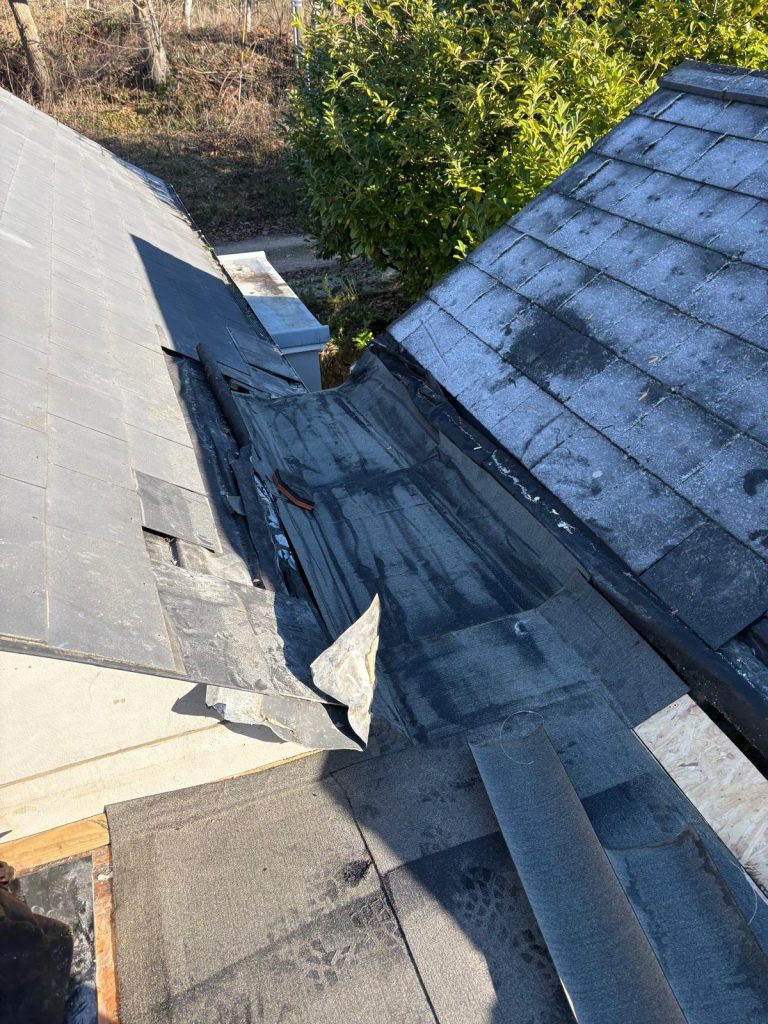
So, How Often Should a Roof Be Replaced
Homeowners often ask how often should a Roof Be Replaced, especially when they start noticing leaks, ageing materials or rising repair costs. There is no single timeline that applies to every property. Roof lifespan depends on materials, installation quality, weather exposure and maintenance. Understanding these factors helps homeowners plan ahead and avoid leaving replacement too late.
Understanding how often a roof be replaced
How often should a Roof Be Replaced depends on how well it has performed over time rather than age alone. Some roofs last far longer than expected because they were installed correctly and maintained well. Others fail early due to poor workmanship or exposure to harsh conditions. When assessing a roof, we look at condition first, not just the number of years it has been in place.
Typical lifespan of common roofing materials
Different roofing materials wear at different rates. Concrete and clay tiles often last several decades, although the underlay and fixings beneath may fail sooner. Slate roofs can last much longer when maintained correctly, but their fixings may still need replacement. Flat roofs usually have a shorter lifespan because water sits on the surface and accelerates wear. These differences play a key role when deciding how often should a Roof Be Replaced.
The impact of installation quality
Even the best materials will not perform well if installed incorrectly. Poor spacing, weak fixings and inadequate ventilation shorten roof life. We often inspect relatively young roofs that already show signs of failure due to poor workmanship. Installation quality is one of the biggest influences on how often should a Roof Be Replaced in real terms.
Weather exposure across Kent
Kent weather places steady pressure on roofs. Regular rainfall, strong winds and seasonal temperature changes all contribute to wear. Wind lifts tiles and loosens ridges. Rain finds weaknesses in ageing materials. Over time, repeated exposure shortens lifespan. Roofs in exposed locations often need replacing sooner than those in more sheltered areas.
The role of regular maintenance
Maintenance has a major impact on roof lifespan. Small issues such as slipped tiles or damaged flashing allow water to enter slowly. If left unresolved, these problems spread and weaken the structure. Regular inspections and timely roof repairs help extend how long a roof performs properly and delay the point where a Roof Be Replaced becomes necessary.
Signs that replacement may be approaching
Several warning signs suggest a roof may be nearing the end of its service life. Repeated leaks, widespread tile damage, loose ridge lines and frequent repairs all indicate declining performance. Inside the property, damp patches, mould or staining in the loft point to ongoing water entry. When several of these appear together, it often means the Roof Be Replaced should be planned rather than delayed.
When repairs are no longer cost effective
Repairs are valuable when damage is limited. However, ongoing repairs can become expensive and disruptive. Many homeowners reach a point where they are repairing different areas every year. When repair costs continue to rise without solving the underlying problem, replacing the roof often offers better long term value. This is a key consideration when deciding how often a Roof Be Replaced.
Structural issues beneath the roof covering
Some of the most important signs are hidden. Damp insulation, mould growth and weakened timbers inside the loft indicate long term water entry. Structural damage cannot be resolved with surface repairs alone. When these issues are present, the safest option is often replacement so the structure can be repaired at the same time.
Flat roofs and replacement frequency
Flat roofs usually need replacing more often than pitched roofs. Water sits on the surface, which increases wear and the risk of failure. Cracks, blisters and pooling water are common as flat roofs age. While early repairs may help, older systems often continue to fail. In these cases, replacing the covering with a modern flat roof system provides more reliable protection.
Chimneys and detailing affecting roof lifespan
Poor detailing around chimneys and junctions often shortens roof life. Damaged flashing, weak mortar and cracked bricks allow water into the roof structure. Our chimney repair work helps protect vulnerable areas, but widespread damage around these points can still mean the Roof Be Replaced sooner than expected.
Drainage problems and roof deterioration
Effective drainage is essential for roof longevity. Blocked or damaged guttering causes water to overflow onto roof edges and walls. Over time, this leads to rot and early material failure. Long standing drainage issues significantly affect how often a Roof Be Replaced.
Planning permission considerations
Most roof replacements fall under permitted development, but changes to structure, height or materials can affect requirements. Homeowners can check the Planning Portal roofing permission guidance to understand when approval may be needed. Checking early avoids delays when replacement becomes necessary.
Building regulations and compliance
When a Roof Be Replaced, the new installation must meet current standards for insulation and structural safety. We follow GOV.UK Building Regulations guidance to ensure compliance. In some cases, inspections or approval through Local Authority Building Control (LABC) may be required. These checks protect homeowners and ensure long term performance.
Safety during roof replacement work
Replacing a roof involves working at height and handling heavy materials. Safe planning is essential. We follow guidance from the Health and Safety Executive (HSE) and apply best practice from HSE working at height guidance. Proper access and secure platforms reduce risk throughout the project.
Benefits of replacing a roof at the right time
Replacing a roof at the right time improves weather protection, energy efficiency and peace of mind. A planned replacement avoids emergency situations and allows homeowners to choose materials that suit their needs. Many also see improved comfort and reduced heating costs after a roof replacement.
How often inspections should be carried out
Regular inspections help determine how close a roof is to needing replacement. Checking the roof every few years, or after severe weather, helps identify early signs of failure. This approach allows homeowners to plan when a Roof Be Replaced rather than reacting to sudden damage.
Getting professional advice
If you are unsure how often your roof may need replacing, a professional inspection provides clarity. We assess the roof covering, structure, drainage and repair history. We then explain whether repairs will extend lifespan or whether replacement should be planned.
Arranging an inspection or quote
Anyone seeking advice on whether their Roof Be Replaced can contact us to arrange an inspection at a convenient time. Clear information helps homeowners make confident decisions.
Conclusion
There is no fixed rule for how often a Roof Be Replaced. Material type, installation quality, weather exposure and maintenance all influence lifespan. Regular inspections and timely repairs help extend performance, while ongoing issues often signal that replacement is approaching. Planning early avoids costly damage and disruption. At Portfolio Roofers we support homeowners across Kent with honest assessments, reliable workmanship and roof replacement solutions designed to last.
