
 Home
Home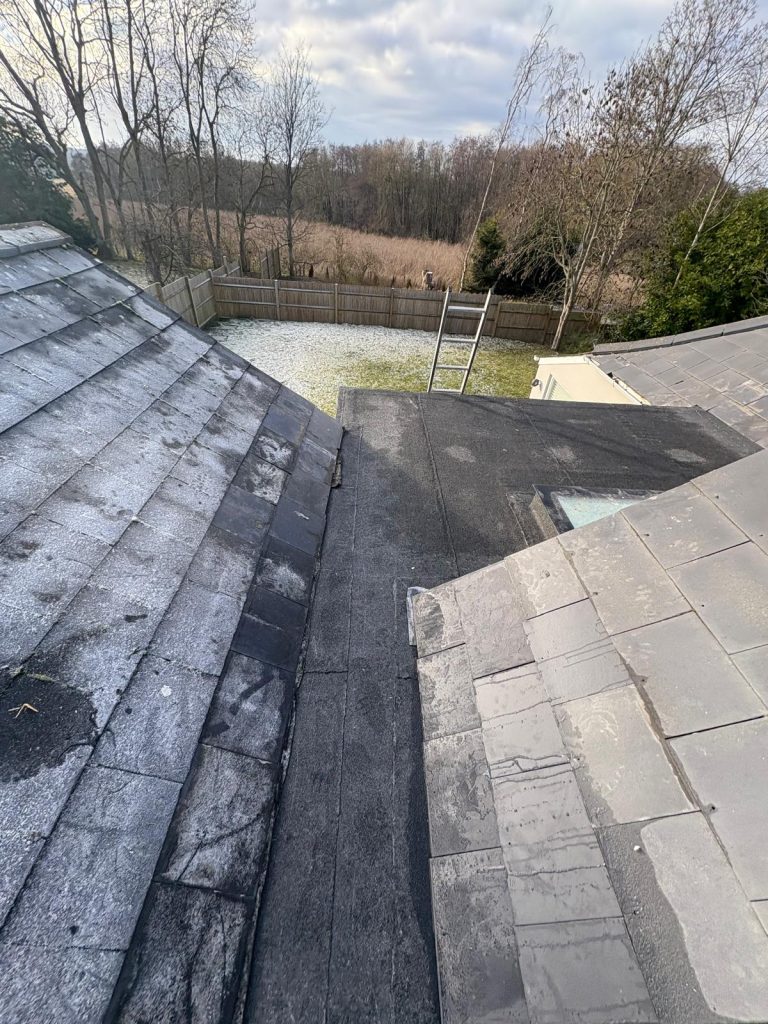
Slate Roofs vs Tiled Roofs Explained
Homeowners often ask us whether Slate Roofs or Tiled Roofs are the better option when repairing or replacing a roof. Both materials are widely used across Kent and each offers clear advantages depending on the property, budget and long term expectations. While slate and tiles may appear similar from a distance, they differ in structure, lifespan, cost and maintenance needs. Understanding these differences helps homeowners choose the right roofing system and avoid issues later on.
Understanding the difference between slate roofs or tiled roofs
The core difference between Slate Roofs or Tiled Roofs lies in the material. Slate is a natural stone that is split into thin sheets, while tiles are manufactured, usually from clay or concrete. These materials respond differently to weather, movement and age. When we assess roofs across Kent, we explain how these differences affect performance so homeowners can make informed decisions rather than choosing based on appearance alone.
Appearance and style considerations
Slate roofs are often chosen for their clean lines and traditional appearance. They suit older properties and period homes particularly well and tend to weather evenly over time. Tiled roofs offer more flexibility in colour and shape, which makes them suitable for both modern and traditional properties. For many homeowners, the decision between Slate Roofs or Tiled Roofs starts with how well each option complements the style of the building.
Lifespan and durability
One of the most important factors when comparing Slate Roofs or Tiled Roofs is lifespan. Natural slate is known for its durability and can last many decades when installed correctly and maintained. Tiles also offer strong durability, though they usually have a shorter lifespan than slate. Concrete tiles tend to wear faster than clay tiles, but both can still perform well for many years. It is also important to remember that underlay and fixings may need attention before the covering itself.
Weight and roof structure
Weight is another key difference. Slate is generally lighter than concrete tiles but heavier than some clay tiles. The roof structure must be strong enough to support the chosen material. Older properties may require structural checks before switching materials. When carrying out a new roof, we always assess the existing timbers to ensure the structure can safely carry the load of slate or tiles.
Installation process and workmanship
Installing slate requires a high level of skill and precision. Each slate must be fixed carefully to ensure even spacing and secure coverage. Tile installation is usually quicker and more forgiving if minor movement occurs. This difference affects both labour time and cost. Poor installation shortens the lifespan of any roof, which is why workmanship matters as much as material when choosing between Slate Roofs or Tiled Roofs.
Cost differences between slate and tiles
Cost is often a deciding factor. Slate is typically more expensive due to material cost and the skill required to install it. Tiles offer a more affordable upfront option while still providing reliable protection. When homeowners compare Slate Roofs or Tiled Roofs, we help them look beyond the initial price and consider long term value, maintenance needs and expected lifespan.
Performance in Kent weather
Kent weather places steady pressure on all roofing materials. Rain, wind and temperature changes affect how roofs age. Slate performs well in wet conditions and resists water penetration when installed properly. Tiles also perform well, but may crack or shift over time, especially during freeze and thaw cycles. Regular inspections help identify early issues regardless of whether the roof is slate or tiled.
Maintenance and repair requirements
Maintenance needs differ slightly between the two systems. Slate is strong but can crack if walked on incorrectly. Repairs often involve replacing individual slates, which requires care and experience. Tile repairs are usually simpler because tiles are thicker and easier to source. Our roof repairs cover both slate and tiled roofs, focusing on restoring performance and matching existing materials as closely as possible.
Drainage and roofline importance
Good drainage is essential for both slate and tiled roofs. Blocked or damaged guttering causes water to overflow onto roof edges and walls. Over time, this leads to damp, rot and early material failure. Poor drainage shortens the lifespan of any roof, regardless of whether you choose slate or tiles.
Chimneys and roof detailing
Chimneys and junctions often highlight the practical differences between Slate Roofs or Tiled Roofs. Slate requires precise cutting and careful leadwork to create a watertight seal. Tiles use shaped components that simplify detailing but still require correct fitting. Poor detailing around chimneys is a common cause of leaks. Our chimney repair work focuses on protecting these vulnerable areas on both roof types.
Flat roofs and mixed roofing systems
Some properties combine pitched roofs with flat sections on extensions or garages. In these cases, slate or tiles may be used on the main roof while a separate system is used elsewhere. Modern flat roof systems are designed to work alongside pitched roofs and require different maintenance approaches. Understanding how different systems interact helps prevent future issues.
Environmental considerations
Slate is a natural material and appeals to homeowners who value longevity and traditional construction. Its long lifespan means fewer replacements over time. Tiles involve more manufacturing but remain popular due to affordability and availability. When comparing Slate Roofs or Tiled Roofs, some homeowners also consider sourcing and long term sustainability.
When replacement becomes necessary
Both slate and tiled roofs eventually reach a point where repairs are no longer enough. Widespread cracking, repeated leaks or failing underlay often signal that replacement is needed. At this stage, homeowners may reassess whether to retain the same material or switch. We assess the structure and explain which option suits the property best.
Planning permission considerations
Most roof replacements fall under permitted development, but changes in materials or structure can affect requirements. Homeowners can check the Planning Portal roofing permission guidance to understand when approval may be needed. We discuss this early to avoid delays.
Building regulations and compliance
Roof replacements must meet current standards for insulation and structural safety. We follow GOV.UK Building Regulations to ensure compliance. In some cases, inspections may be required through Local Authority Building Control (LABC). These checks ensure the roof performs safely and efficiently.
Health and safety during roofing work
Roofing work involves working at height and handling heavy materials. We follow guidance from the Health and Safety Executive (HSE) and apply best practice set out in HSE working at height guidance. Safe access and controlled working methods protect everyone involved.
Choosing the right option for your home
There is no single correct choice when deciding between Slate Roofs or Tiled Roofs. Property age, appearance, budget and long term plans all matter. Our role is to explain the differences clearly and offer advice based on experience rather than preference. This helps homeowners make confident decisions.
Arranging professional advice
If you are unsure which option suits your home, a professional assessment can help. We inspect the roof, assess the structure and explain the benefits and limitations of slate and tile systems. Anyone seeking advice or a quotation can contact us to arrange a visit at a convenient time.
Conclusion
Understanding the differences between Slate Roofs or Tiled Roofs helps homeowners choose a roofing system that suits their property and long term needs. Slate offers longevity and a traditional finish, while tiles provide flexibility and affordability. Both perform well when installed and maintained correctly. At Portfolio Roofers we support homeowners across Kent with honest advice, reliable workmanship and roofing solutions designed to last.
