
 Home
Home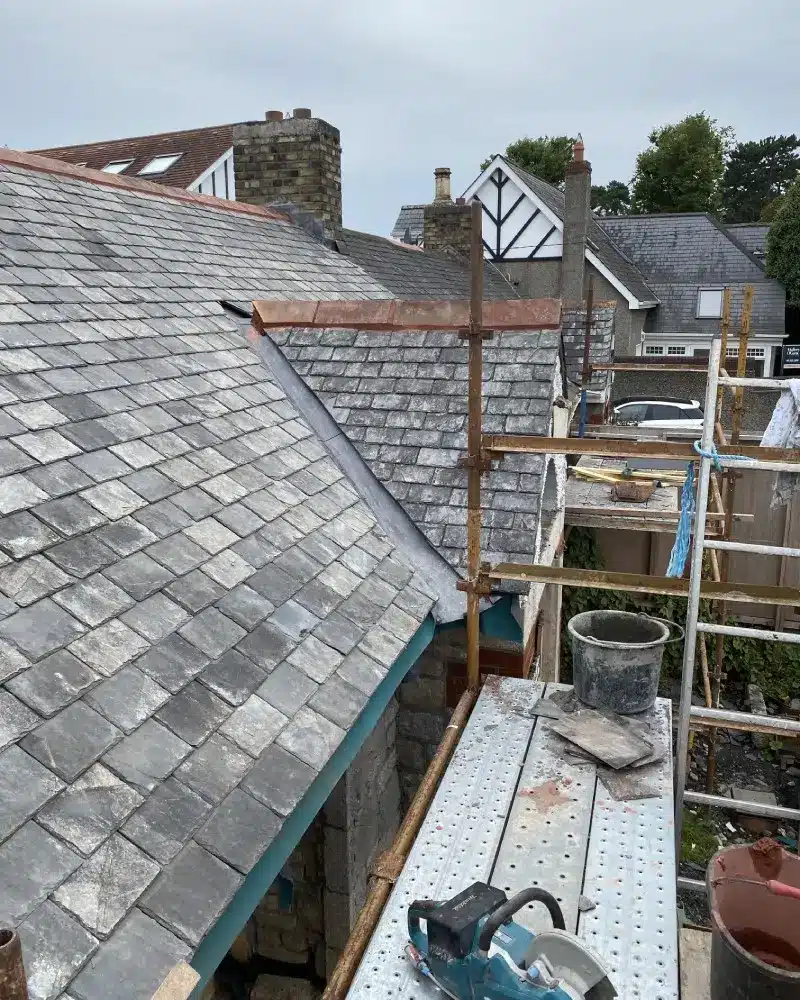
So What are Some Common Roofing Problems Explained
Understanding Common Roofing Problems helps homeowners spot issues early and avoid serious damage to their property. Roofs are exposed to the weather all year, so wear and tear is unavoidable over time. Some problems develop slowly and remain hidden until water starts entering the home. Others appear suddenly after storms or periods of heavy rain. Knowing what these problems look like makes it easier to act before repairs become more costly.
Why common roofing problems should not be ignored
Ignoring Common Roofing Problems often leads to wider damage beyond the roof itself. Water entering through small gaps can affect insulation, ceilings, walls and even electrics. Early action usually keeps repairs simple and contained. Delayed action increases the risk of structural damage and disruption inside the home. Most serious roofing failures begin as small, manageable issues.
Slipped or broken roof tiles
One of the most frequent Common Roofing Problems involves slipped or broken tiles. Wind, age and natural movement can cause tiles to shift or crack. Even a single missing tile allows water to enter the roof layers. Over time, this leads to damp insulation and timber damage. Replacing damaged tiles early helps restore protection and prevents further movement across the roof.
Leaks caused by damaged flashing
Flashing is used to seal joints around chimneys, valleys and roof edges. When flashing lifts, cracks or corrodes, water finds an easy entry point. Leaks caused by flashing problems are common and often worsen during heavy rain. Because water can travel before becoming visible inside, flashing issues are sometimes misdiagnosed. Proper assessment is essential to resolve this type of Common Roofing Problems effectively.
Loose ridge tiles and failing mortar
Ridge tiles sit along the top of the roof and help hold the structure together. Over time, the mortar securing them can crack and weaken due to weather exposure. Loose ridge tiles allow wind driven rain to enter and increase the risk of further tile movement during storms. Ridge issues often appear alongside other Common Roofing Problems, especially on older roofs.
Chimney related roofing issues
Chimneys are one of the most exposed parts of a roof. Mortar joints can crumble, bricks may crack and lead flashing can lift. Water entering around a chimney often spreads into surrounding roof sections. Our chimney repair work addresses these weak points and helps prevent further damage. Chimney defects are among the most persistent Common Roofing Problems when left untreated.
Moss and debris build up
Moss growth is common on roofs across Kent due to damp conditions. While moss may appear harmless, it holds moisture against the roof surface. This moisture speeds up tile wear and blocks drainage paths. Debris build up also prevents water from draining properly. Over time, moss contributes to several Common Roofing Problems, including tile decay and leaks.
Blocked or damaged guttering
Poor drainage is a major cause of roof deterioration. Blocked or damaged guttering causes water to overflow onto walls and roof edges. This leads to damp, rot and early tile failure. Guttering issues are often overlooked, yet they play a significant role in many Common Roofing Problems affecting both the roof and the rest of the property.
Flat roof surface failures
Flat roofs behave differently from pitched roofs because water sits on the surface. Over time, this leads to cracks, blisters and lifted edges. Standing water places stress on the covering and increases the risk of leaks. Early repairs can help, but older flat roofs often continue to fail in new areas. Deterioration of flat roof surfaces is one of the more visible Common Roofing Problems when systems reach the end of their lifespan.
Sagging roof sections
Sagging areas on a roof indicate deeper structural issues. This often means timbers have weakened due to long term water exposure or age. Sagging may appear along the ridge line or across larger roof sections. This problem cannot be fixed with surface repairs alone. Structural movement is one of the most serious Common Roofing Problems and requires urgent assessment.
Damp and mould inside the loft
The loft often reveals early warning signs. Damp insulation, mould growth or staining on timbers show that water has been entering the roof for some time. These issues weaken the roof structure and can affect air quality inside the home. Loft moisture problems are often linked to multiple Common Roofing Problems working together rather than a single fault.
Daylight visible through the roof
Seeing daylight through roof boards or tiles inside the loft is a clear sign of deterioration. Gaps large enough to allow light through will also allow water and cold air to enter. This level of damage usually means the roof covering and underlay have failed. It is one of the clearest Common Roofing Problems that replacement may be needed.
Repeated repairs that do not last
If roof repairs are needed regularly, it often indicates the roof is reaching the end of its service life. While our roof repairs are effective when damage is limited, frequent issues across different areas suggest wider failure. Repeated short term fixes are a strong sign that Common Roofing Problems are becoming structural rather than isolated.
Storm damage exposing weaknesses
Storms often reveal roofing weaknesses that already existed. Strong winds lift tiles and loosen ridges. Heavy rain finds gaps in ageing materials. If storm damage affects multiple areas of the roof, it suggests the structure was already compromised. Storm related failures are often linked to underlying Common Roofing Problems that had gone unnoticed.
Roof age and material breakdown
Every roof has a lifespan. Tiles, underlay and fixings all degrade over time, even with good maintenance. Concrete and clay tiles can last decades, but supporting materials may fail sooner. Flat roof coverings usually wear faster. When age related wear combines with other Common Roofing Problems, replacement becomes more likely than continued repairs.
Planning permission considerations
Most roofing repairs fall under permitted development, but some changes may require approval. Alterations to roof structure, materials or height can affect requirements. Homeowners can refer to the Planning Portal roofing permission guidance to understand when permission may be needed. Checking this early helps avoid delays.
Building regulations and compliance
Roof repairs and replacements must meet current standards for insulation and structural safety. We follow GOV.UK Building Regulations to ensure compliance. In some cases, inspections or approval through Local Authority Building Control (LABC) may be required. Compliance ensures roofing work is safe and durable.
Health and safety during roofing work
Roofing work involves working at height, which requires careful planning. We follow guidance from the Health and Safety Executive (HSE) and apply best practice from HSE working at height guidance. Safe access and secure working methods protect everyone involved.
Preventing common roofing problems
Regular inspections and maintenance help prevent many Common Roofing Problems. Clearing gutters, checking flashing and inspecting ridge lines all reduce the risk of water entry. Preventive care allows homeowners to address issues early and avoid emergency repairs.
When to arrange a professional inspection
If you notice leaks, slipped tiles, moss build up or signs of damp, arranging an inspection early is the best step. Delaying action often allows damage to spread. Anyone seeking advice or a quotation can contact us to arrange an assessment.
Conclusion
Understanding Common Roofing Problems helps homeowners protect their property and avoid costly damage. Slipped tiles, flashing failures, drainage issues and structural movement all develop over time and worsen when ignored. Early identification allows for simpler repairs and better long term outcomes. At Portfolio Roofers we support homeowners across Kent with honest assessments, reliable workmanship and roofing solutions designed to last.
